
Why in news?
A large international study has found that the way our bodies absorb and use vitamin B1 affects digestive habits and may influence the risk of irritable bowel syndrome (IBS). The research looked at stool frequency and identified genes involved in thiamine transport, giving new insight into gut motility.
Background
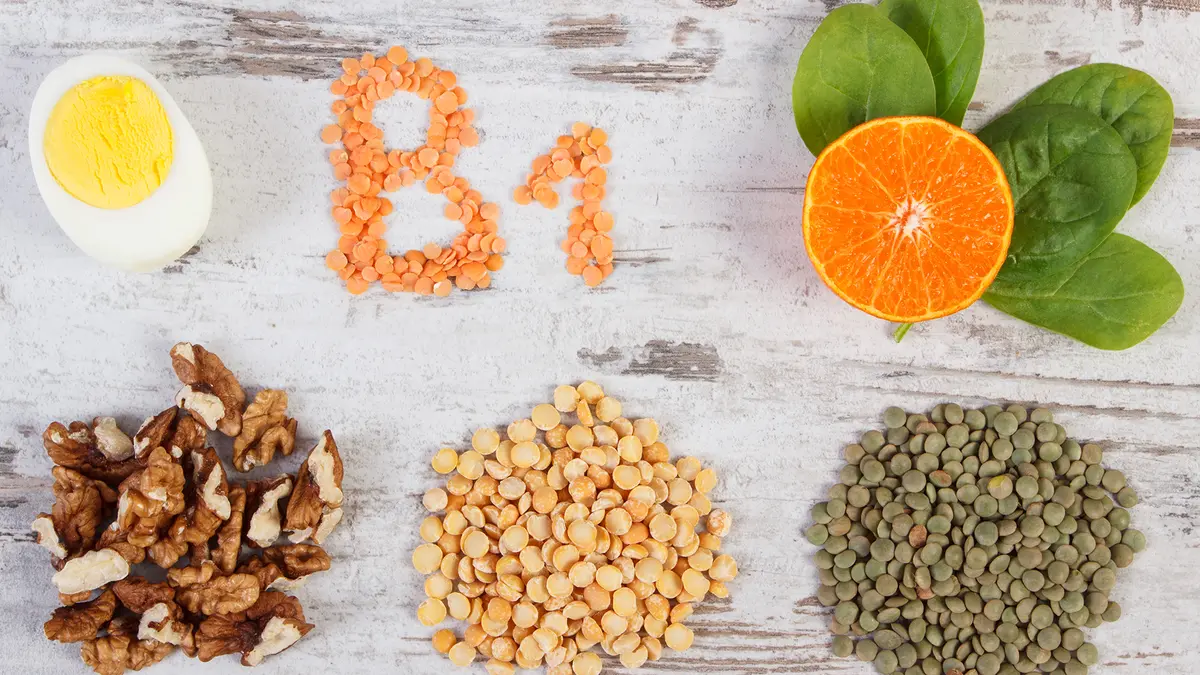
Vitamin B1, also called thiamine, is a water‑soluble nutrient. It acts as a co‑enzyme in carbohydrate metabolism and is essential for nerve function. The body cannot make thiamine, so it must be obtained through food such as whole grains, pulses, nuts, seeds and lean meats. Severe deficiency leads to beriberi and other neurological disorders. Irritable bowel syndrome is a condition characterised by abdominal discomfort and irregular bowel movements; the exact cause is unclear but may involve nerve signalling and muscle contractions in the gut.
Key findings of the study
- The researchers analysed stool frequency data from more than 268,000 people. They found that genetic variants near SLC35F3, a gene that transports thiamine into cells, and XPR1, which exports phosphate, influence how often people have bowel movements.
- People with higher thiamine intake or certain genetic variants had more regular stool patterns, suggesting that vitamin B1 status may be linked to gut motility.
- Other genes such as KLB (involved in bile acid metabolism) and COLQ (important for nerve signalling) were also associated with stool frequency, pointing to multiple pathways affecting digestion.
- The study highlights potential drug targets for IBS and emphasises the importance of a balanced diet rich in thiamine.
Significance
- Understanding the link between thiamine and gut motility could lead to new treatments for IBS and other digestive disorders.
- The findings remind us to consume foods that supply enough vitamin B1, since deficiencies may affect both energy metabolism and digestive health.
- This research encourages personalised nutrition and further studies on how vitamins influence the nervous system of the gut.
Conclusion
Vitamin B1 plays a role beyond energy metabolism by influencing how the intestine moves. The new genetic evidence suggests that maintaining adequate thiamine intake could support healthy digestion and offers hope for improved therapies for IBS.
Source: NM