
Why in news?
Health authorities continue to spotlight scabies as a neglected tropical disease affecting more than 200 million people worldwide at any given time. High rates of infestation in crowded communities have prompted renewed calls for mass treatment campaigns and improved awareness of prevention and care.
Background
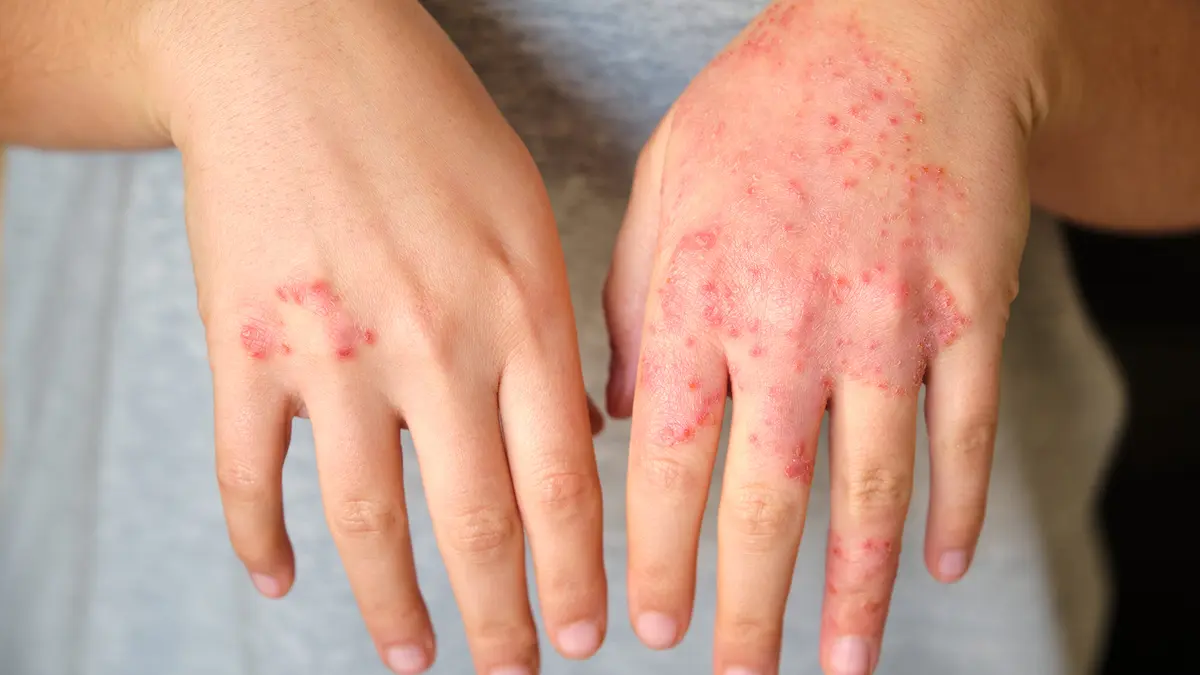
Scabies is caused by Sarcoptes scabiei, a microscopic mite that burrows into the upper layer of the skin. The female lays eggs in these burrows, and larvae hatch within three to four days. The mites’ presence triggers intense itching and a pimple‑like rash, especially between fingers, on wrists, elbows and around the waist. Persistent scratching can lead to broken skin and secondary bacterial infections.
The infestation spreads through prolonged skin‑to‑skin contact. It commonly affects children and people living in crowded or resource‑poor settings, including boarding schools, refugee camps and long‑term care facilities. Poor access to water and soap, lack of health awareness and stigma exacerbate its transmission.
Clinical features and complications
- Intense itching: Itching tends to worsen at night. Tiny burrows may appear as small, raised, greyish lines on the skin.
- Rash and nodules: Small red bumps, blisters or nodules can occur on the genitals, armpits or nipples. In severe cases known as crusted or Norwegian scabies, thousands of mites cause thick crusts on the skin.
- Secondary infections: Scratching opens the door to bacteria like Streptococcus and Staphylococcus. Untreated infections can lead to kidney disease, sepsis or rheumatic heart disease.
Treatment and prevention
- Topical therapies: The World Health Organization recommends permethrin 5 % cream or benzyl benzoate lotion applied over the entire body from the neck down and left on for eight to 12 hours. These treatments kill mites and eggs.
- Oral medication: Ivermectin tablets are used in mass drug administration campaigns and for people who cannot tolerate topical treatments. Two doses spaced one week apart are usually effective.
- Treat all contacts: All household members and close contacts should be treated simultaneously, even if asymptomatic, to prevent reinfestation.
- Hygiene measures: Clothing, bedding and towels should be washed in hot water and dried at high temperatures. Items that cannot be washed can be sealed in plastic bags for at least 72 hours to starve mites.
- Education and stigma reduction: Public awareness campaigns can encourage early diagnosis and treatment, reduce shame and dispel myths about cleanliness. Access to basic water, sanitation and hygiene services is critical.
Addressing scabies requires combined efforts in clinical care and public health. Mass drug administrations in high‑burden communities, coupled with improved living conditions and education, can dramatically reduce the burden of this preventable disease.
Sources : TH