
Why in news?
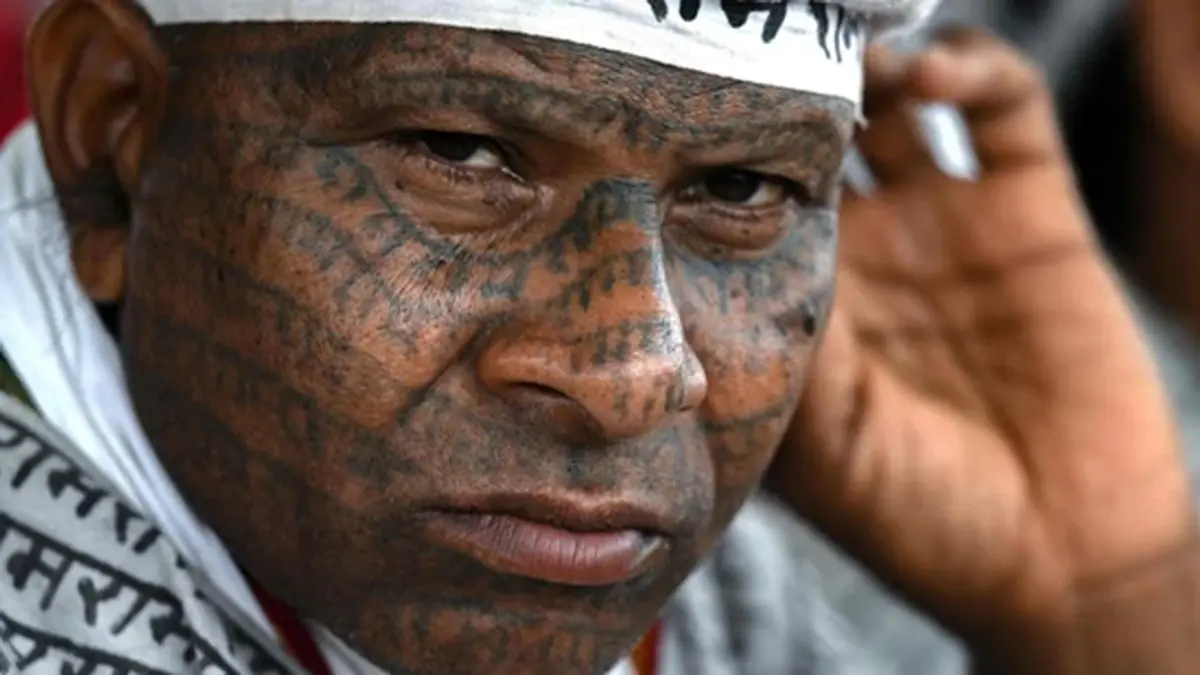
Members of the Ramnami tribe recently received national attention when they were invited to meet the Prime Minister, reviving interest in their unique practice of tattooing the name of Lord Ram across their bodies. Their story highlights a historic struggle against caste oppression.
Background
The Ramnami Samaj emerged in the late 19th century in present‑day Chhattisgarh after members of the lower castes were denied entry to temples. Led by visionary Parsuram Bhardwaj, they protested by permanently inscribing the word “Ram” on their skin to affirm that divinity resides everywhere and cannot be restricted. In 1910, upper‑caste villagers attempted to stop them, but a court ruling upheld their right to wear the tattoos.
Traditions and practices
- Full‑body tattoos: Devotees tattoo “Ram” thousands of times across their faces, arms and torso using soot and homemade needles, making their bodies a living scripture.
- Ram odhni and crowns: Men and women often drape a shawl printed with the name of the deity and wear a peacock‑feather headpiece (mor mukut) as symbols of devotion.
- Scripture and song: The community reads the Ramcharitmanas, sings devotional hymns and gathers annually at a “Bade Bhajan Ka Mela” to chant together.
- Equality and simplicity: The sect rejects caste divisions and promotes gender equality; members live modestly, refraining from meat and alcohol.
Significance
- Social reform: By marking their bodies with a sacred name, the Ramnamis challenged caste hierarchies and affirmed that the divine transcends social barriers.
- Cultural heritage: The tradition illustrates the diversity of Indian devotional practices and offers lessons on resilience and dignity.
- Challenges today: Younger members often avoid extensive tattoos due to employment concerns, leading to declining numbers, yet the community continues to preserve its heritage.
Sources: Outlook Traveller, Homegrown Magazine