
Why in news?
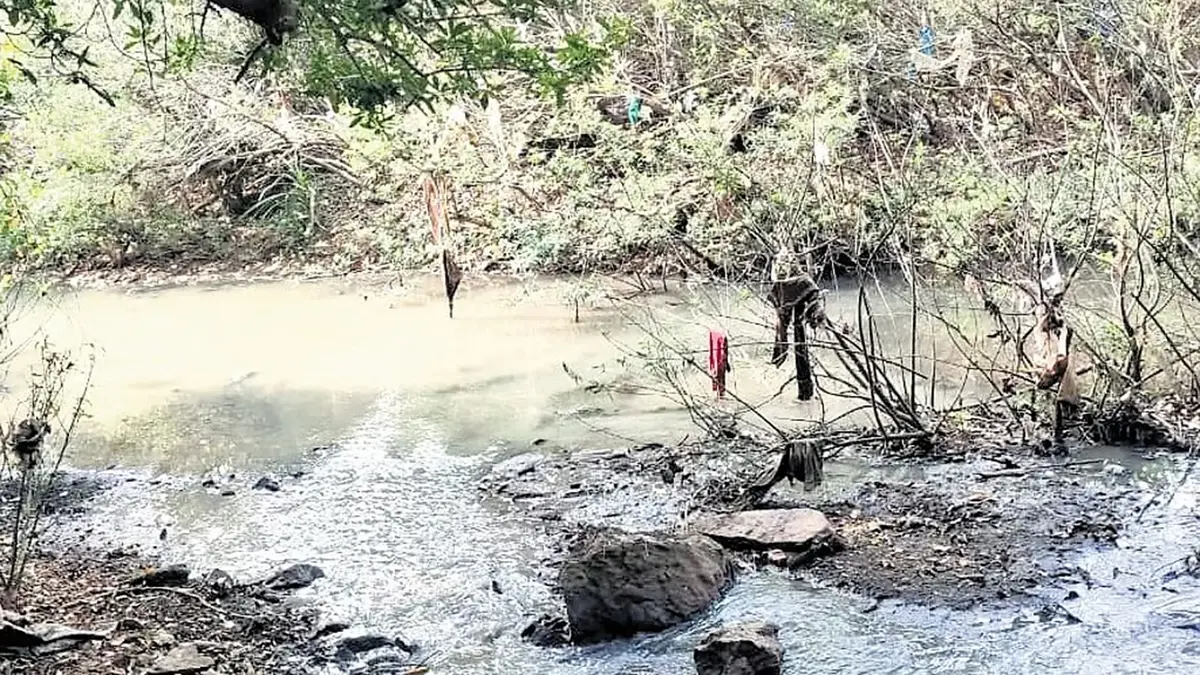
The National Green Tribunal directed the Deputy Commissioner of Udupi and the Karnataka Urban Water Supply and Drainage Board to submit a detailed report on measures to prevent sewage from entering the Souparnika River at Kollur. The order follows complaints that waste from lodges and hotels near the famous Mookambika Temple continues to flow into the river despite previous attempts to build an underground sewerage system.
Background
The Souparnika River originates in the Western Ghats near the Kodachadri hills in Karnataka and flows westwards through dense forests and temple towns. According to local legend, the river is named after Garuda (Suparna in Sanskrit), who is said to have brought medicinal herbs to its banks to cure his mother. The river meets the Arabian Sea after passing Maravanthe beach where it runs parallel to the shore, separated by a narrow strip of land—an unusual geographic feature that attracts tourists. Devotees visiting the Mookambika Temple at Kollur consider bathing in the river sacred.
The pollution issue
- Sewage inflow: Wastewater from hotels, lodges and households in Kollur has been discharging directly into the Souparnika River. A government-funded underground sewerage scheme completed in 2020 has not eliminated the problem because many establishments are not connected or the system lacks capacity.
- NGT directive: The National Green Tribunal has asked authorities to provide information on the volume of waste generated, the capacity of existing treatment systems, the costs of upgrading them and a timeline for implementation.
- Environmental impact: Untreated sewage degrades water quality, harms aquatic life, and poses health risks to devotees who bathe in the river. Pollution also undermines the scenic beauty of the Maravanthe stretch where the river meets the sea.
Why the river matters
- Ecological significance: Flowing from the biodiverse Western Ghats to the coast, the Souparnika supports a variety of fish and plant species and provides water for irrigation and drinking.
- Cultural value: The river is central to rituals at the Mookambika Temple and features in local folklore. Pilgrims believe it has healing properties due to herbs that wash into its waters.
- Tourism draw: The parallel run of the river and the Arabian Sea at Maravanthe is considered one of India’s most beautiful coastal drives. Maintaining water quality is essential for sustaining tourism.
Conclusion
The NGT’s intervention highlights the need for stricter enforcement of pollution controls around sacred rivers. Protecting the Souparnika will require cooperation between authorities, businesses and residents to ensure that sewage is treated properly and that the river remains a source of life and spiritual solace.
Sources: The New Indian Express