
Why in news?
Archaeologists working at the Barnham site in Suffolk, England, have found fragments of pyrite near ancient campfires dating back about 400,000 years. The discovery suggests that early humans intentionally carried pyrite to strike sparks and make fire—pushing back the earliest evidence of controlled fire‑making by some 350,000 years.
Background
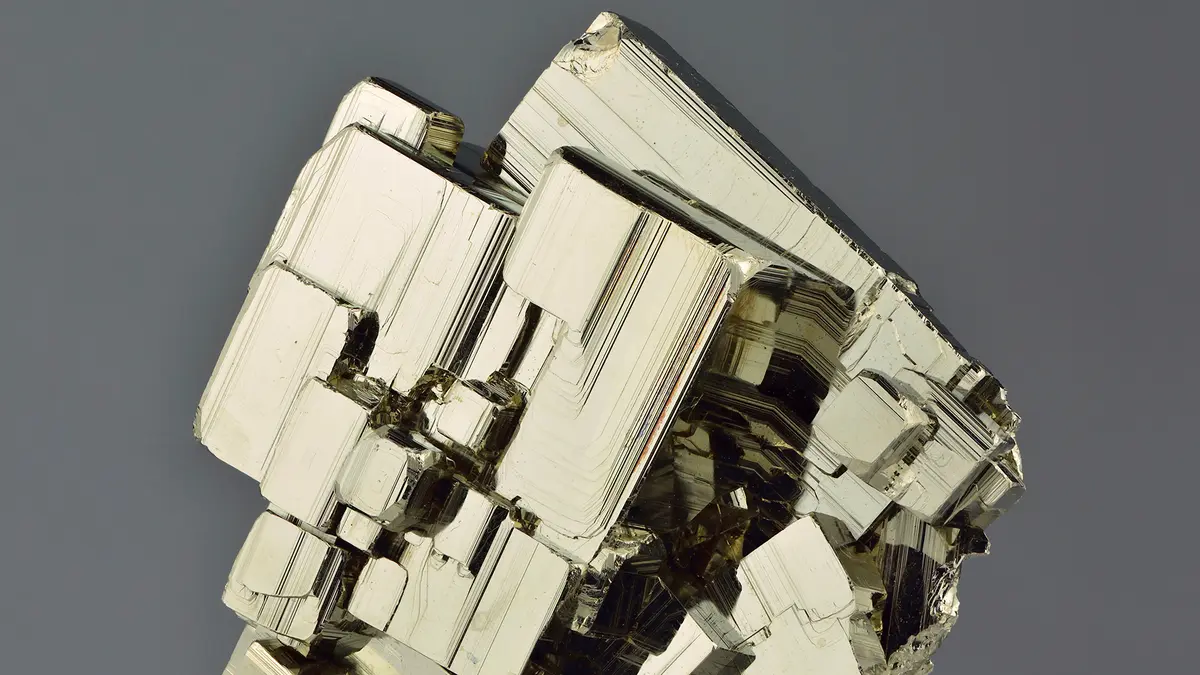
Pyrite is a mineral composed of iron and sulphur (FeS2). Its metallic lustre and pale yellow colour earned it the nickname “fool’s gold.” The name comes from the Greek word pyrites, meaning “stone which strikes fire.” When struck against flint or steel, pyrite produces sparks hot enough to ignite tinder. In pre‑industrial societies, it served as a reliable fire‑starter.
The ability to create fire marked a turning point in human evolution. Fire provided warmth, protection from predators, light, and the ability to cook food. Evidence of fire use by Homo erectus dates back over a million years, but whether ancient humans could start fires themselves or merely collected natural flames has been debated.
The Barnham findings
- Fragments near hearths: At Barnham, researchers found small pieces of pyrite alongside burned flint and ash. The mineral does not occur naturally at the site, so it must have been carried there deliberately.
- Controlled fire‑making: The presence of pyrite and flint together indicates that early humans used the mineral to strike sparks and light fires rather than waiting for lightning or other natural sources. This shows a higher level of planning and tool use.
- Timeline revision: Previously, the earliest secure evidence of fire‑making using pyrite came from sites dating around 50,000 years ago. The Barnham discovery pushes this skill back by roughly 350,000 years.
About pyrite
- Physical properties: Pyrite has a metallic sheen and often forms cubic crystals. It is harder than gold and leaves a black streak when scratched against porcelain.
- Industrial uses: In modern times pyrite is processed to produce sulphur dioxide for the pulp and paper industry and to make sulphuric acid. It can contain trace metals such as gold, cobalt and nickel.
- Cultural history: For centuries people carried pyrite and flint in tinderboxes to light fires. Its ability to create sparks underscores why our ancestors valued it enough to transport it across the landscape.
Significance
- Human ingenuity: The findings suggest that early humans living in Britain had mastered the technology of fire‑making much earlier than previously thought. This skill would have allowed them to colonise colder climates and share knowledge across generations.
- Social implications: Gathering around a fire likely fostered social bonds, storytelling and learning. Control of fire may also have influenced diet, brain development and cultural evolution.
Conclusion
The Barnham discovery reshapes our understanding of prehistoric ingenuity. By carrying pyrite and using it to make fire, early humans demonstrated planning, coordination and a deepening relationship with the materials around them.
Source: REUT