
Why in news?
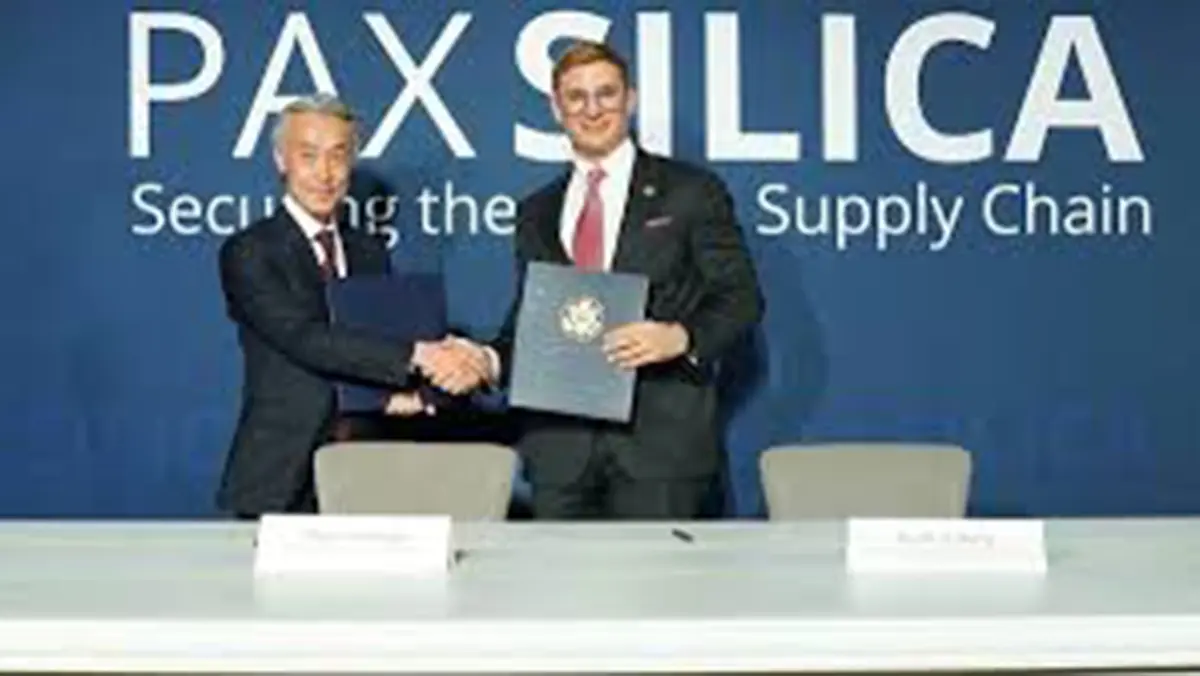
At a summit held in Washington D.C., the United States and six partner countries announced the Pax Silica initiative. This new coalition aims to build a resilient supply chain for critical minerals, energy inputs, semiconductors and other technologies that underpin artificial intelligence (AI) and advanced manufacturing. The move reflects growing geopolitical competition over who controls key components of the digital economy.
Background
The name “Pax Silica” combines the Latin word for peace (pax) with “silica,” referring to silicon—the material used to make computer chips. Members include the United States, Australia, Japan, South Korea, the United Kingdom, Singapore and Israel. These countries collectively hold important parts of the global supply chain: Australia has abundant critical minerals; Japan and South Korea are leading chip manufacturers; Singapore is a major port and semiconductor hub; the UK and Israel contribute advanced technology and capital; and the US brings market size and research strength.
The joint declaration states that the partners will cooperate on sourcing raw materials, refining and processing, manufacturing semiconductors and constructing AI infrastructure. They pledge to reduce “coercive dependencies” on any single country for essential inputs and to create an “innovation‑driven era of prosperity.” The initiative also emphasises protecting sensitive technologies and ensuring that supply chains are resilient against disruptions.
Key elements
- Securing critical minerals: Pax Silica members plan to invest jointly in mining and processing lithium, graphite, nickel and other minerals needed for batteries, solar panels and chips.
- Building an AI technology stack: The coalition will coordinate on research, design and manufacturing of semiconductors, as well as the software and data centres that support AI applications.
- Shared logistics: Upgrading ports, transportation links and digital infrastructure among members will help move goods efficiently and respond to supply‑chain shocks.
- Joint ventures: The declaration encourages companies from member countries to form partnerships to develop new technologies, spread risks and share benefits.
- Governance and values: Members commit to upholding open markets, high labour and environmental standards and transparency in supply‑chain practices.
Implications for India
India is not currently part of the Pax Silica group. Commentators note that membership largely reflects control over “chokepoints” in the supply chain—critical steps that few nations can perform. India has strengths in software and human capital but still relies heavily on imported chip‑making equipment and raw materials. To join such coalitions in future, the country would need to invest in chip fabrication, packaging and mining of minerals like lithium.
Significance
- Geopolitical signal: Pax Silica shows that countries are forming alliances to safeguard their technological futures. It responds to concerns about over‑dependence on a handful of suppliers and the risk of economic coercion.
- Economic opportunity: By coordinating investments, member nations hope to create jobs, stimulate innovation and ensure steady supplies of chips and energy materials.
- Challenges: Aligning the interests of diverse economies and balancing open trade with protection of sensitive technologies will require careful diplomacy.
Conclusion
The Pax Silica initiative signals a shift towards cooperative strategies for securing the building blocks of the digital age. As technology becomes central to economic growth and national security, such partnerships may shape the future of global trade and innovation.
Source: TOI