
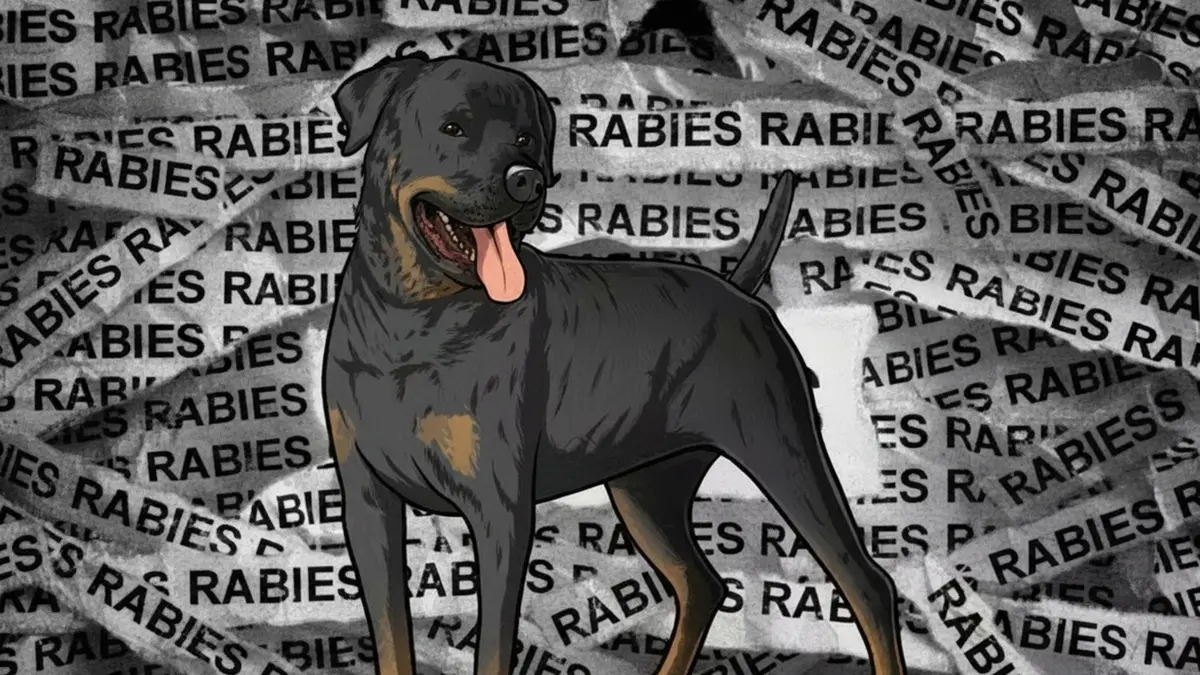
Why in news?
The Government of the National Capital Territory of Delhi has decided to include human rabies in its list of notifiable diseases. Beginning in January 2026, all public and private healthcare facilities in Delhi must report suspected or confirmed cases of rabies to the state surveillance unit. The move aims to improve disease surveillance, ensure timely post‑exposure prophylaxis and ultimately reduce the number of human deaths from this preventable disease.
Background
A notifiable disease is any condition that law requires healthcare providers and laboratories to report to government authorities. The purpose is to monitor disease trends, detect outbreaks early and mount public health responses. In India, states and Union territories decide which diseases are notifiable based on criteria such as severity, communicability and potential for international spread. Reporting is mandated under the Epidemic Diseases Act (1897) and the National Surveillance Programme.
Delhi’s decision on rabies
- Improved surveillance: By making rabies notifiable, authorities can track cases more accurately, identify high‑risk areas and allocate resources for vaccination and awareness campaigns.
- Early detection and treatment: Mandatory reporting ensures that exposed individuals receive post‑exposure prophylaxis promptly, which is critical to prevent death.
- One‑Health approach: Rabies is a zoonotic disease transmitted mainly through dog bites. Enhanced reporting fosters coordination between human health and veterinary services to control stray dog populations and vaccinate animals.
- Public awareness: Declaring a disease notifiable signals its public health importance and encourages citizens to seek care for animal bites and to vaccinate pets.
Other notifiable diseases in India include cholera, tuberculosis, HIV/AIDS, dengue, hepatitis, Japanese encephalitis, measles and certain vector‑borne and parasitic infections. The list evolves as new threats emerge or old diseases become controlled.
Sources: The Hindu