
Why in news?
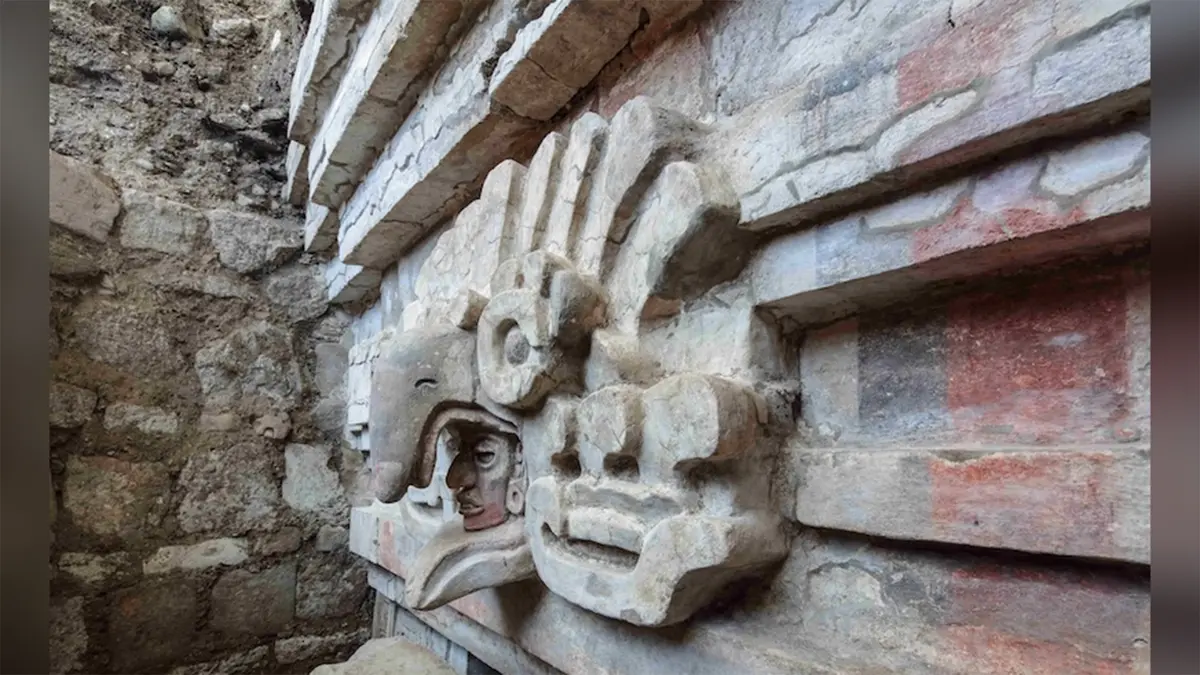
Archaeologists in Oaxaca, Mexico recently unearthed a 1,400‑year‑old tomb belonging to the ancient Zapotec civilisation. The tomb, discovered in San Pablo Huitzo during late 2025, features a carved doorway flanked by engraved male and female figures and an owl sculpture that symbolises death. Mexican authorities have hailed it as the most significant archaeological find in a decade.
Background
The Zapotecs were an indigenous people who established a complex society around 700 B.C. in the fertile valleys of southern Mexico. They built planned cities, developed a writing system and created elaborate calendars. Their heartland centred on Monte Albán, a hilltop ceremonial site near present‑day Oaxaca City. After flourishing for more than a millennium, Zapotec authority weakened when Spanish conquistadors conquered the region in the 1520s. Much of their art and architecture survived, offering glimpses into their beliefs and rituals.
Details of the discovery
- Architectural features: The tomb has a rectangular chamber accessed through a lintelled doorway carved with calendrical symbols and the names of the deceased. Two life‑size reliefs of a man and a woman stand guard on either side, indicating elite burials.
- Owl sculpture: At the entrance, archaeologists found a small owl figure. In Zapotec cosmology owls were messengers of the underworld and signified death. The sculpture reinforces the ritual purpose of the tomb.
- Murals and artefacts: Remnants of brightly coloured murals depict a funeral procession. The walls show priests carrying copal incense and offerings. Burial goods include ceramic vessels, jade beads and seashells, reflecting the trade networks of the period.
- Historical importance: The tomb dates to around A.D. 600–700. Its elaborate decoration suggests that it belonged to a noble family. Scholars believe it may help fill gaps in our knowledge about Zapotec lineage and political structures.
Significance
This discovery highlights the sophistication of Mesoamerican civilisations long before European arrival. The beautifully carved entrance, symbolic owl and well‑preserved murals offer rare insights into Zapotec funerary practices and beliefs. Moreover, such finds boost local heritage tourism and encourage further research into pre‑Columbian cultures.
Source: Live Science