
Why in news?
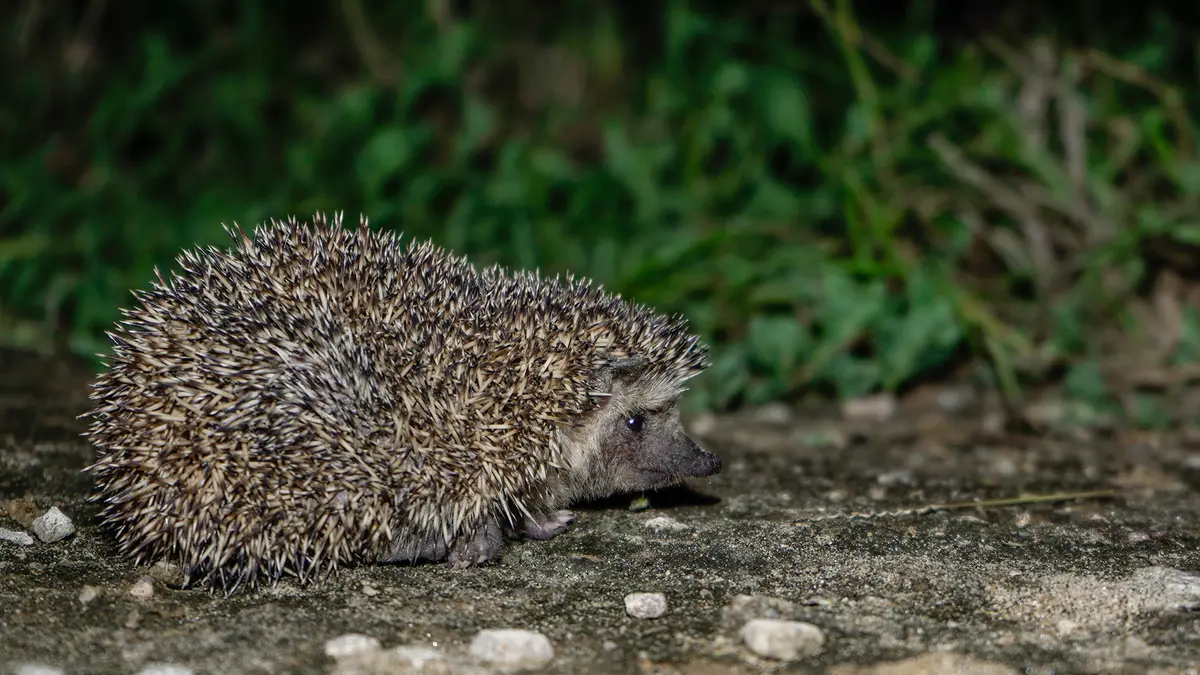
The forest department of Tamil Nadu has launched a year‑long study on the Madras hedgehog in the Theri forests of the Thoothukudi district. This is the first dedicated research project on the species and aims to map its population, understand its ecology and devise a conservation action plan. The initiative comes after concerns that the hedgehog’s status may need to be upgraded from Least Concern to a more threatened category.
Background
The Madras hedgehog (Paraechinus nudiventris) is a small nocturnal mammal found only in the dry scrub and grasslands of peninsular India. Locally called “mulleli,” the animal has sharp brown spines covering its back and flanks but a bare, light‑coloured belly. Its ability to curl into a tight ball and raise its spines protects it from predators such as jackals, foxes and snakes. The species was first described in 1851 and is one of three hedgehog species recorded in India, along with the Indian hedgehog and the Indian long‑eared hedgehog.
Physical traits and behaviour
- Size and weight: Adults measure about 14–25 centimetres in length and weigh 200–400 grams. They have a small pointed snout, short legs and large ears.
- Nocturnal lifestyle: Madras hedgehogs rest in shallow burrows during the day and forage at night. Their diet includes insects such as beetles, ants, earthworms and termites, along with fruits and roots.
- Habitat preferences: They favour arid scrublands, thorn forests and the edges of farmlands. Their survival depends on undisturbed patches of dry vegetation where they can hide and hunt.
- Distribution: The species is restricted to Tamil Nadu, Kerala, Andhra Pradesh and parts of Karnataka. Fragmented populations occur in the Palani and Tirunelveli hills and in coastal plains such as the Theri sands.
Threats and conservation efforts
- Habitat loss: Expansion of agriculture, urbanisation and infrastructure projects have degraded the dry scrublands that the hedgehog inhabits.
- Hunting and myths: In some areas people kill hedgehogs for their meat or due to mistaken beliefs that their spines or blood have medicinal properties.
- Road mortality: Many hedgehogs die while attempting to cross roads at night.
- Research initiative: The current study, funded by the Tamil Nadu government, will involve survey transects, camera traps and genetic sampling. Findings will guide habitat protection, awareness programmes and measures to reduce hunting.
Significance
- Pest control: By feeding on insects and earthworms, hedgehogs play a role in controlling agricultural pests.
- Biodiversity indicator: Because they require intact scrublands, the presence of hedgehogs indicates a healthy ecosystem. Their decline signals broader environmental problems.
- Need for awareness: Educating local communities about the animal’s ecological importance and discouraging hunting will be key to its survival.
Source: New Indian Express