
Why in news?
Kerala has become the first state in India to recognise a “state microbe” by designating Bacillus subtilis as its official microorganism. The announcement, made in January 2026 at the inauguration of a Centre of Excellence in Microbiome in Thiruvananthapuram, aims to raise public awareness of beneficial microbes and highlight their role in human health and agriculture.
Background
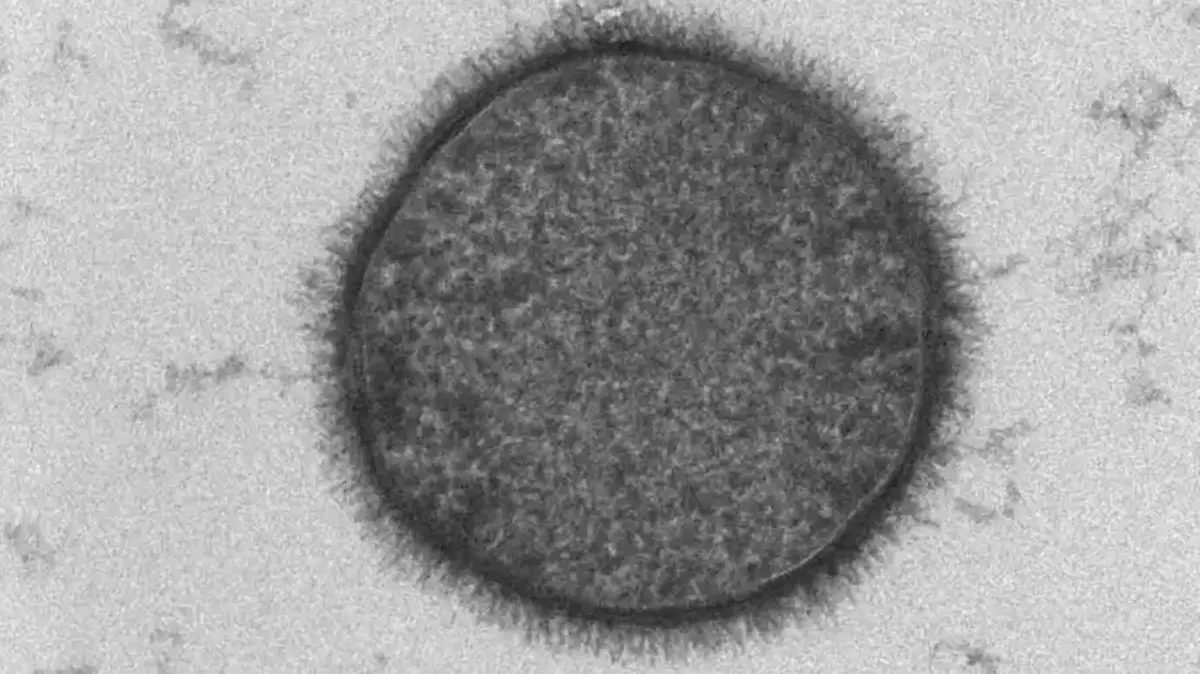
Bacillus subtilis is a rod‑shaped, Gram‑positive bacterium found in soil, water and the gastrointestinal tract of humans and animals. It is one of the most studied bacteria in microbiology and is used as a model organism to understand fundamental biological processes. Known for its ability to form hardy endospores, B. subtilis can survive extreme temperatures, dryness and nutrient scarcity. These traits allow the bacterium to colonise diverse habitats and protect itself until conditions become favourable.
Features and applications of Bacillus subtilis
- Probiotic and health benefits: In the human gut, B. subtilis acts as a probiotic, promoting digestion and inhibiting the growth of harmful microbes. Fermented foods such as natto (Japan) and kinema (eastern Himalayas) owe their texture and flavour to this bacterium. Scientific studies suggest that it produces vitamins, enzymes and antimicrobial compounds beneficial to gut health.
- Biocontrol agent: In agriculture, strains of B. subtilis are used as biofungicides and biofertilisers. They produce antibiotics and lipopeptides that suppress plant pathogens such as fungi and bacteria, reducing reliance on chemical pesticides. Their spores can be formulated into sprays or seed coatings to protect crops.
- Industrial uses: The bacterium’s ability to secrete large quantities of enzymes like amylases, proteases and lipases makes it valuable in the food, detergent and biotechnology industries. It is also a workhorse for producing recombinant proteins and enzymes in laboratories.
- Genetic model organism: Because it is easy to culture, genetically manipulate and observe, B. subtilis has contributed to our understanding of gene regulation, cell differentiation and spore formation. Its genome was one of the first bacterial genomes to be fully sequenced.
Why Kerala chose Bacillus subtilis
- Educational awareness: Declaring a state microbe highlights the unseen microbial world and encourages students and the public to appreciate the role of microorganisms in daily life.
- Health and nutrition: B. subtilis is a safe, naturally occurring probiotic. Promoting its benefits aligns with Kerala’s emphasis on preventive healthcare and traditional diets.
- Agricultural relevance: The bacterium’s biocontrol abilities support sustainable farming, which is vital for a state where farming spans smallholdings and diverse crops.
- Research opportunities: By adopting a state microbe, Kerala aims to stimulate research in microbiomics, biotechnology and microbiome‑based therapeutics at its new Centre of Excellence.
Significance
- Pioneering initiative: Kerala’s decision sets a precedent for other states to recognise and celebrate beneficial microbes, just as states have symbols like state animals and flowers.
- Public engagement: The move encourages citizens to learn about microbiology and appreciate the crucial functions that microbes perform in ecosystems, food production and human health.
- Sustainable development: Highlighting the biocontrol and probiotic uses of B. subtilis supports environmentally friendly agriculture and healthcare practices.
Source: Mathrubhumi · Microbe Notes