
Why in news?
At a gathering of WaSH warriors and school students in New Delhi on 28 January 2026, the Union Minister of Jal Shakti inaugurated 25 JALAJ Livelihood Centres. The event, organised under the Namami Gange Mission, also launched the Youth for Ganga – Youth for Yamuna campaign, signalling renewed emphasis on community-led river conservation and sustainable livelihoods.
Background
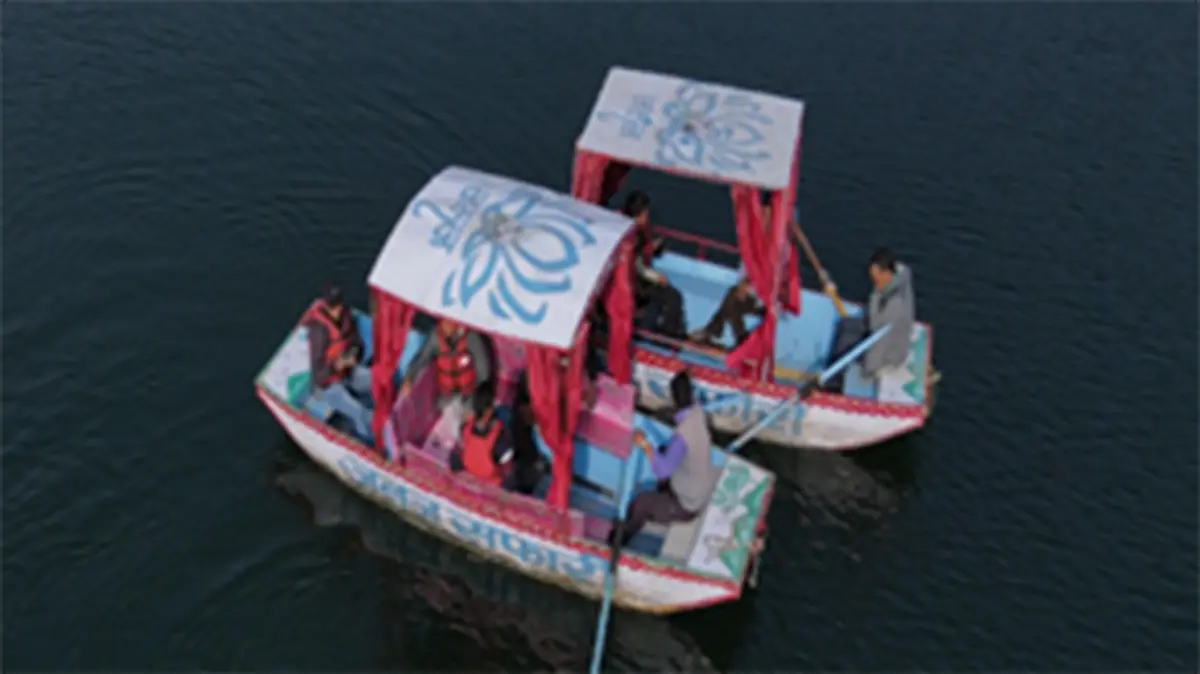
The Namami Gange programme is the Government of India’s flagship initiative to clean and rejuvenate the river Ganga. Recognising that durable conservation requires local stewardship, the mission partnered with the Wildlife Institute of India to create JALAJ (meaning “born of water”) livelihood centres. These hubs allow river‑bank communities—particularly women and youth—to earn livelihoods linked to healthy rivers while acting as custodians of aquatic ecosystems. Activities include ecotourism, fish farming, sale of sustainable handicrafts and services such as boat rides and nature interpretation.
Features of the centres
- Community ownership: Each centre is operated by local groups or self‑help collectives. Members receive training in entrepreneurship, biodiversity monitoring and solid‑waste management so that income generation goes hand‑in‑hand with conservation.
- Diverse livelihood options: Facilities may house floating platforms for fish and aquatic plant cultivation, kiosks for local crafts, homestay information desks and small cafés serving regional cuisine. By diversifying income sources, the centres reduce dependence on unsustainable practices such as sand mining or overfishing.
- River conservation hubs: The centres double as outreach points where visitors learn about river health, migratory fish and turtles, and the cultural significance of the Ganga. They support awareness campaigns, clean‑up drives and biodiversity surveys led by “Ganga Praharis” (river guardians).
- Gender and youth focus: Many centres are operated by women’s self‑help groups, providing them with financial independence and decision‑making roles. The newly launched Youth for Ganga initiative taps into school and college networks to recruit young volunteers for monitoring river stretches and spreading the conservation message.
Significance
By integrating livelihood security with ecological restoration, the JALAJ concept embodies the Arth Ganga vision of a circular river economy. It empowers communities to see the Ganga not only as a sacred entity but also as a source of dignified work. The centres are expected to reduce pollution by promoting environmentally benign products, discourage illegal sand extraction and revitalise traditional riverine occupations. The involvement of students and youths through the new campaign ensures inter‑generational continuity of these efforts.
Sources : PIB press release on JALAJ centres and youth campaign