
Why in news?
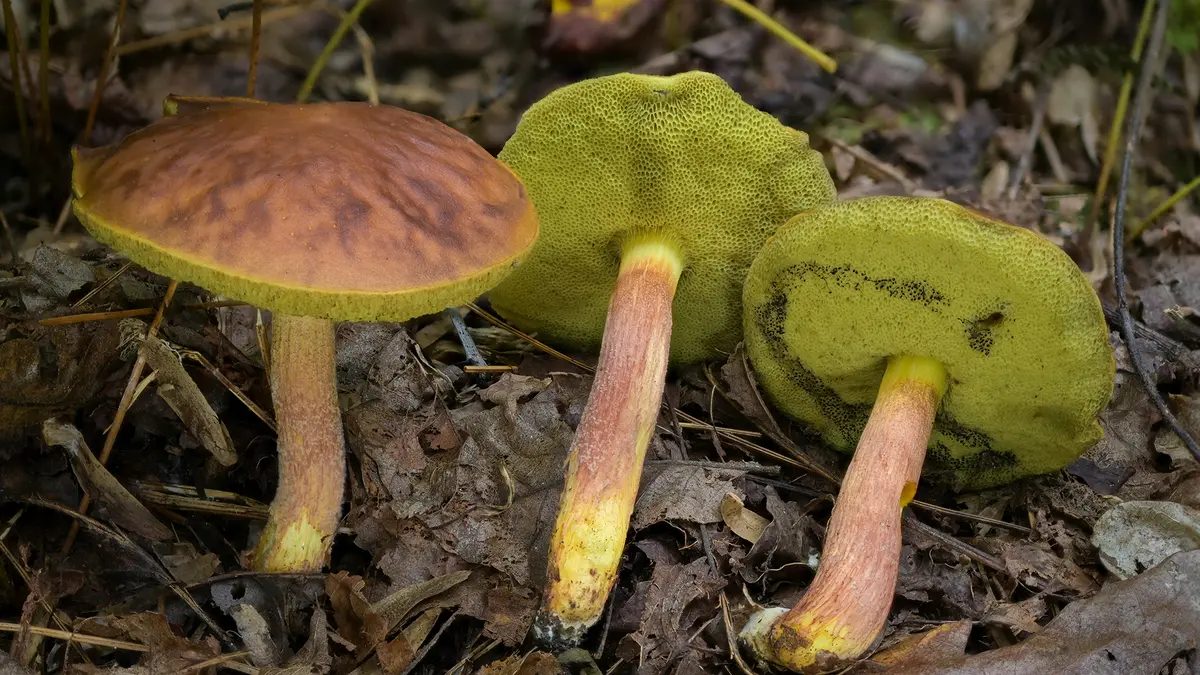
Researchers exploring temperate oak forests in Uttarakhand have discovered a new species of bolete mushroom and named it Hemileccinum indicum. The find marks the first record of this genus in India and highlights the need to document fungal diversity in the Himalayan region.
Background
Bolete mushrooms are a group of fungi with sponge‑like pores under their caps instead of gills. Many boletes form ectomycorrhizal partnerships with trees, exchanging nutrients and helping forests thrive. During macrofungal surveys in the Himalayan state of Uttarakhand in 2022–2023, scientists from the Botanical Survey of India, the University of Torino and St. Xavier’s College collected specimens that looked similar to North American species but displayed unique features. Detailed morphological examination and multigene DNA sequencing confirmed that the specimens represented a new species, which they named Hemileccinum indicum to acknowledge its Indian origin.
Key features of Hemileccinum indicum
- Distinctive cap and pores: The mushroom has a wrinkled, violet‑brown cap that turns leathery brown as it matures. The underside of the cap features pastel yellow pores that do not change colour when bruised.
- Unique spores and stem: When viewed under a scanning electron microscope, the spores show tiny pits (pitted ornamentation) and the stem remains smooth rather than scaly. These traits distinguish the species from its closest relatives, such as H. floridanum from Florida.
- Ectomycorrhizal lifestyle: Like many boletes, H. indicum forms a symbiotic relationship with the roots of oak trees. In this mutualism the fungus receives carbohydrates from the tree and supplies water and nutrients in return, supporting forest health.
- Genetic uniqueness: Multigene phylogenetic analysis showed that the Indian samples form an independent branch of the Hemileccinum family tree. Although related to North American species, they possess a distinct genetic signature, justifying their classification as a new species.
Significance
- Expanding fungal records: This discovery is the first official record of the Hemileccinum genus in India. Documenting new species enriches our understanding of biodiversity and guides conservation efforts.
- Indicator of forest health: Ectomycorrhizal mushrooms like H. indicum play a crucial role in nutrient cycling and tree growth. Their presence reflects the ecological health of forest ecosystems.
- Potential applications: Boletes produce bioactive compounds with medicinal and nutritional value. Identifying new species may open avenues for future research into their properties.
Source: Research Matters