
Why in news?
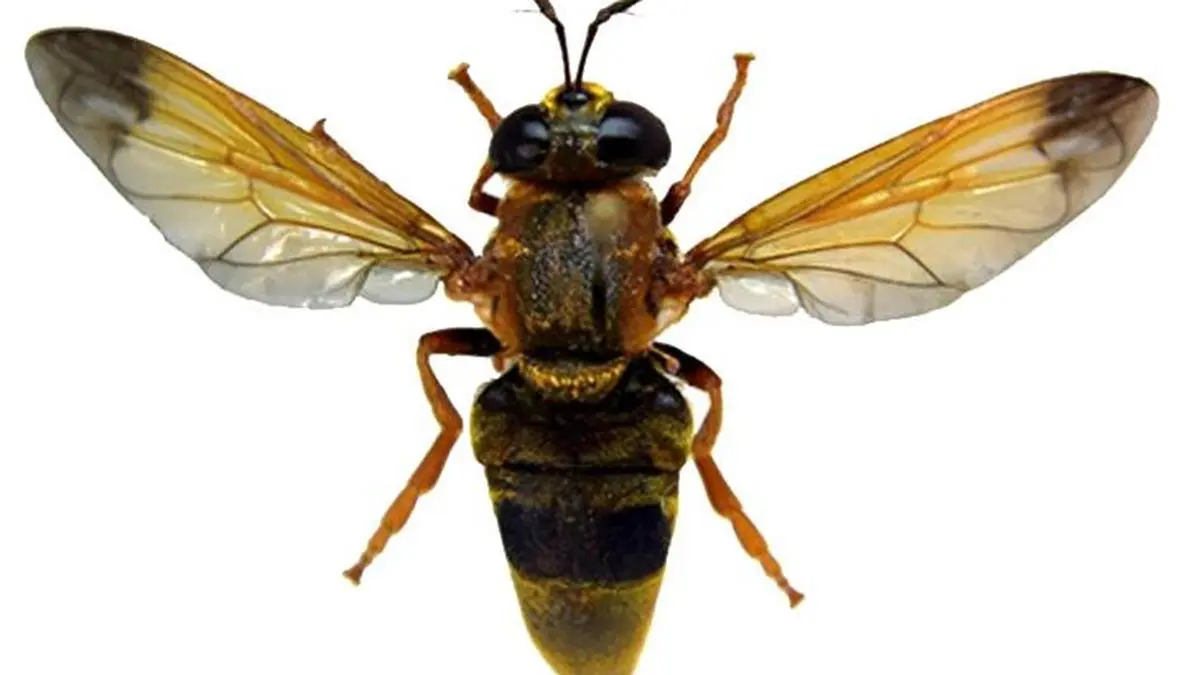
Entomologists have described two new species of ant flies from India’s forests, marking the first addition to this rare group in over a century. The species, named Metadon ghorpadei and Metadon reemeri, were found respectively in the urban forests of Delhi and the Siruvani Hills of the Western Ghats. Their discovery highlights India’s hidden insect diversity and the importance of protecting small habitats.
Background
The newly discovered flies belong to the subfamily Microdontinae, a group of hoverflies whose larvae live exclusively inside ant nests and feed on ant eggs and larvae. Because they mimic wasps and spend much of their life cycle underground, Microdontinae species are seldom observed, and no new Indian species had been recorded since the early 1900s. Understanding their life cycle and ecological role helps scientists appreciate the complexity of insect‑ant interactions and the delicate balance of forest ecosystems.
Discovery and characteristics
- Researchers: The species were identified by Hariharakrishnan Sankararaman of Amrita Vishwa Vidyapeetham and Sainulabdeen Sulaikha Anooj of Kerala Agricultural University during field surveys and genetic studies.
- Collection sites: Metadon ghorpadei was discovered in Delhi’s Northern Ridge forest, an urban green space that shelters surprisingly rare fauna. Metadon reemeri was found in the Siruvani hills near the Kerala–Tamil Nadu border, part of the biodiversity‑rich Western Ghats.
- Identification: Adults were collected using sweep nets, then examined morphologically and subjected to DNA barcoding. The analysis confirmed that they were distinct from previously known species in Southeast Asia.
- Physical traits: M. ghorpadei has pale brown antennae, entirely yellow legs and a body covered in golden hairs. M. reemeri features blackish antennae and darker, more robust hind legs. Both species resemble stinging wasps, helping them avoid predators while infiltrating ant colonies.
- Ecological note: The larvae of these flies live as obligate predators within ant nests. This specialised lifestyle makes them highly dependent on their ant hosts and sensitive to habitat disturbance.
Significance
- Conservation message: Finding such rare insects in an urban forest and a protected hill range underscores the need to conserve small patches of natural habitat. Even seemingly ordinary forests can harbour unique species.
- Biodiversity insight: The discovery expands scientific knowledge of the Microdontinae subfamily and demonstrates the value of combining fieldwork with genetic tools in identifying cryptic species.
- Tribute and naming: M. ghorpadei honours Indian dipterist Dr Kumar Ghorpadé for his contributions to fly taxonomy, while M. reemeri pays tribute to Dutch entomologist Menno Reemer.
Conclusion
These tiny ant‑associated flies remind us that much of Earth’s biodiversity remains undocumented. Protecting urban green spaces and biodiverse regions like the Western Ghats is crucial for safeguarding the many species, seen and unseen, that enrich our ecosystems.
Source: TH