
Why in news?
A study published in January 2026 described how embryos of fish and insects organise their cytoplasm during early development. Researchers found that microtubule networks form dynamic waves to partition the cell’s contents. These findings shine light on the mechanisms that ensure cells divide properly and may help explain developmental disorders.
Background
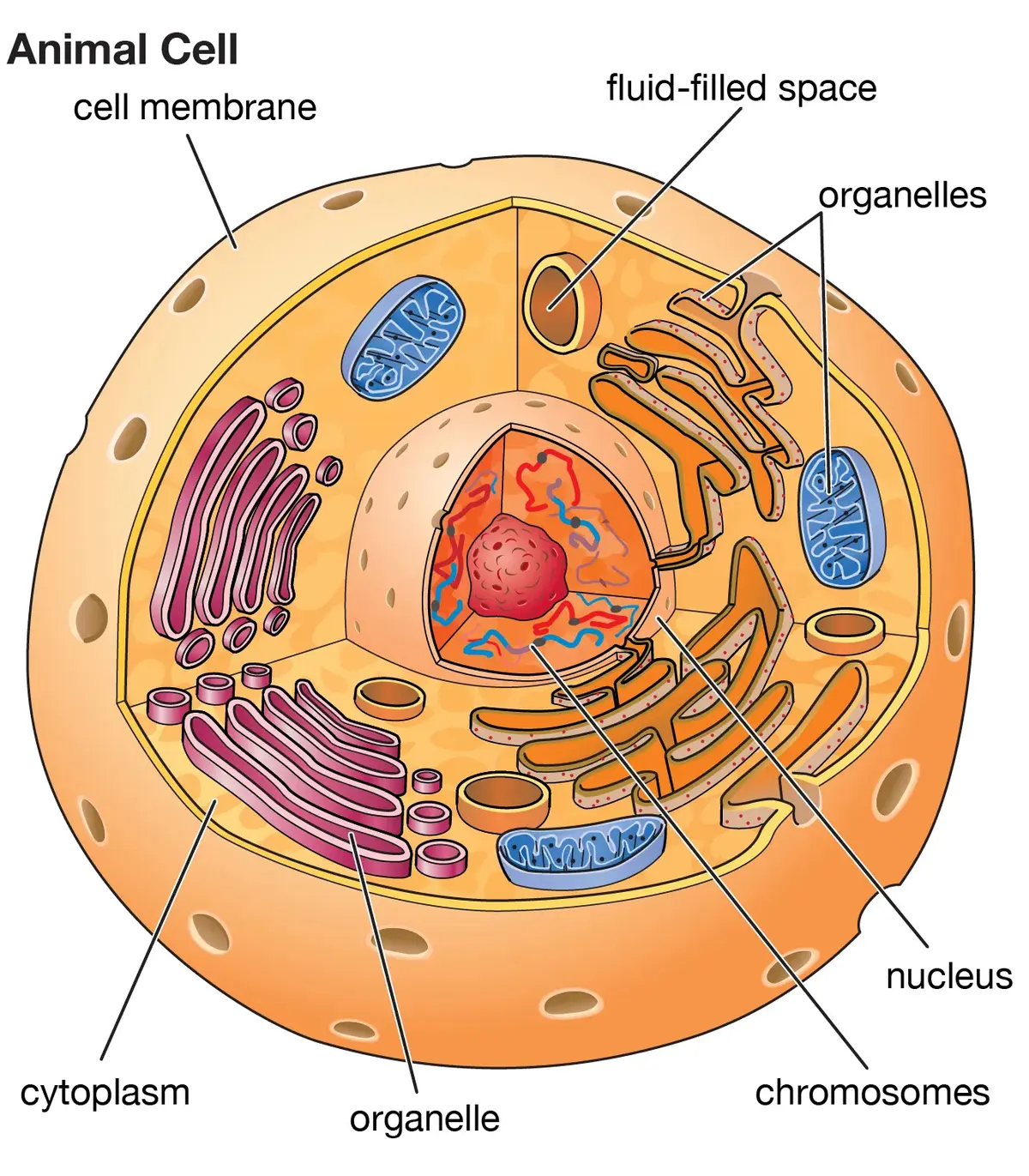
The cytoplasm is the jelly‑like material inside a cell that surrounds the nucleus. It consists of a watery medium called the cytosol and many tiny structures such as mitochondria, ribosomes and the endoplasmic reticulum. The cytoplasm provides a platform for chemical reactions, transports molecules and helps give the cell its shape. In multicellular organisms, organising the cytoplasm correctly is essential for tissues to form and for genes to turn on and off at the right times.
What the new research shows
- Microtubule waves: In zebrafish embryos, microtubules—hollow protein filaments—are nucleated at specific locations and then propagate outwards in waves. These waves sweep the cytoplasm, collecting organelles and nutrients into compartments before the cell divides.
- Stable asters in insects: Drosophila (fruit‑fly) embryos use a different strategy. They generate stable microtubule asters (star‑shaped arrays) that remain anchored at the cell membrane. These asters compartmentalise the cytoplasm and anchor nuclei in preparation for division.
- Timing is critical: The study showed that embryos adjust the timing of microtubule formation and cell‑cycle progression to ensure that the cytoplasm is partitioned evenly. This coordination prevents imbalances that could lead to developmental defects.
- Broader implications: By revealing how cells organise their internal contents without traditional membranes, the research may help scientists understand diseases where cell division goes awry, such as cancer.
Significance
Cytoplasm is often taken for granted, but its organisation underpins life. This study demonstrates that different animals have evolved distinct yet elegant solutions to the same problem—ensuring that each daughter cell receives the right ingredients. Understanding these processes deepens our knowledge of embryonic development and could influence regenerative medicine and cancer research.
Source: Nature