
Why in news?
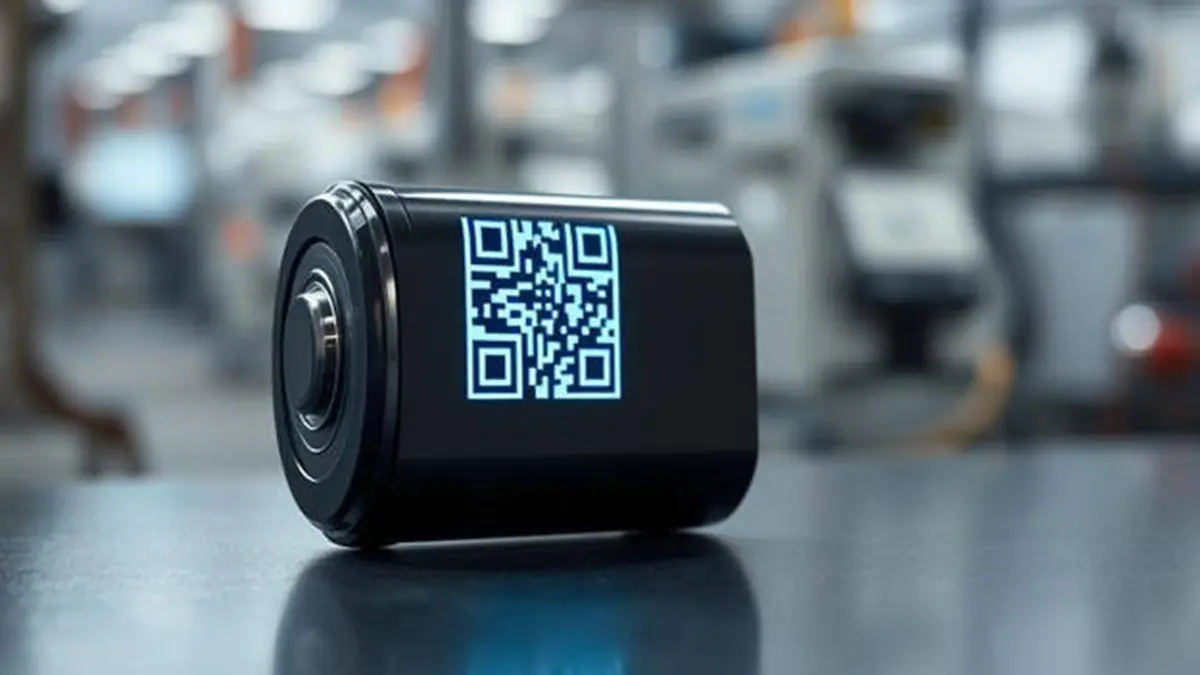
The Ministry of Road Transport and Highways has released draft guidelines proposing a Battery Pack Aadhaar system. This framework would assign every electric vehicle (EV) battery and industrial battery over 2 kWh a unique 21‑character identification number, enabling end‑to‑end tracking from manufacture to disposal.
Features of the proposed system
- Unique identity: Each battery pack would receive a Battery Pack Aadhaar Number (BPAN) along with a QR code. This alphanumeric code would be printed or etched on the battery and linked to a central database.
- Static data: Information such as the manufacturer’s details, battery specifications, material composition and carbon footprint would be stored permanently under the BPAN.
- Dynamic data: Battery health, charge–discharge cycles, thermal events and end‑of‑life status would be updated regularly on a secure server. This would help predict maintenance needs and plan for second‑life use or recycling.
- Transparency and safety: By making a portion of the information publicly accessible via the QR code and restricting sensitive data to authorised entities, the framework aims to balance consumer awareness with data protection. It is expected to curb counterfeit batteries, improve safety and support a circular economy.
- Policy alignment: The system would complement schemes such as the Production Linked Incentive (PLI) programme for advanced chemistry cells by verifying the domestic origin of battery components.
As India’s EV market accelerates, policymakers view a unified battery identification regime as essential for quality control, consumer confidence and efficient recycling. Stakeholders across manufacturing, servicing and waste management will be required to update battery data on a central portal.
Source: The Hindu